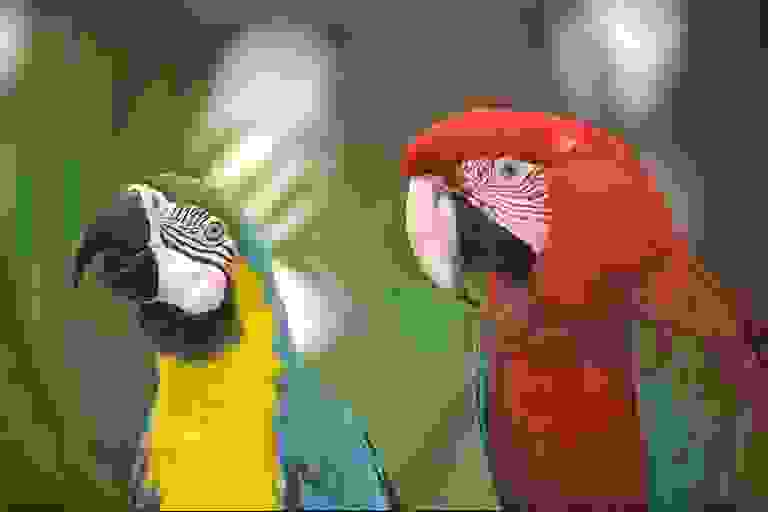
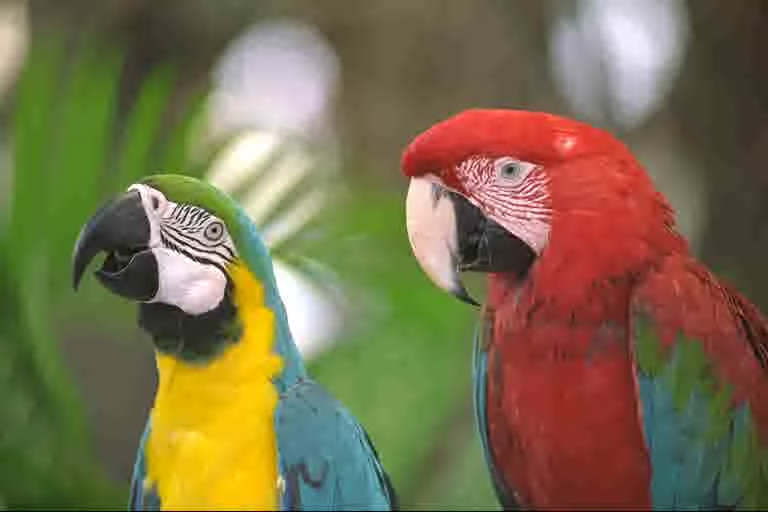
Two parrots
Look at the feathers and the bright colour.
Examples
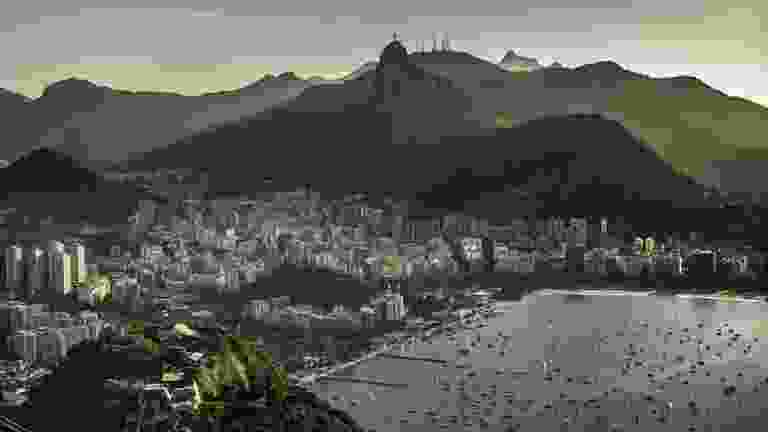
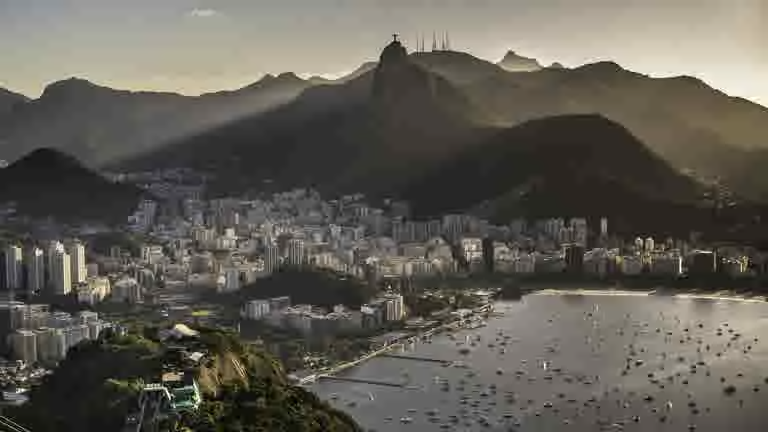
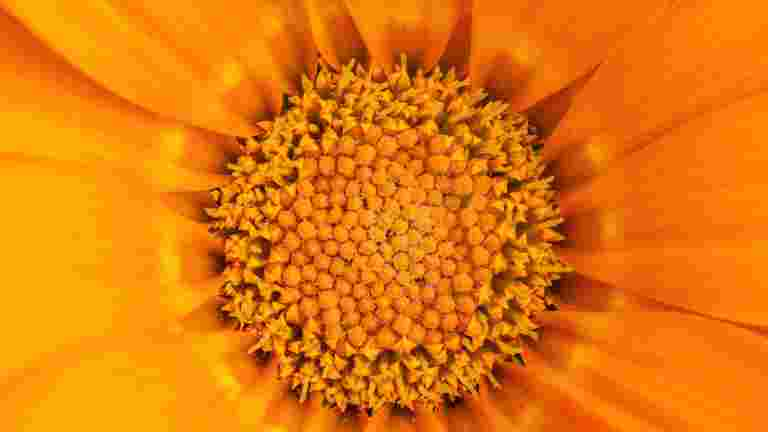
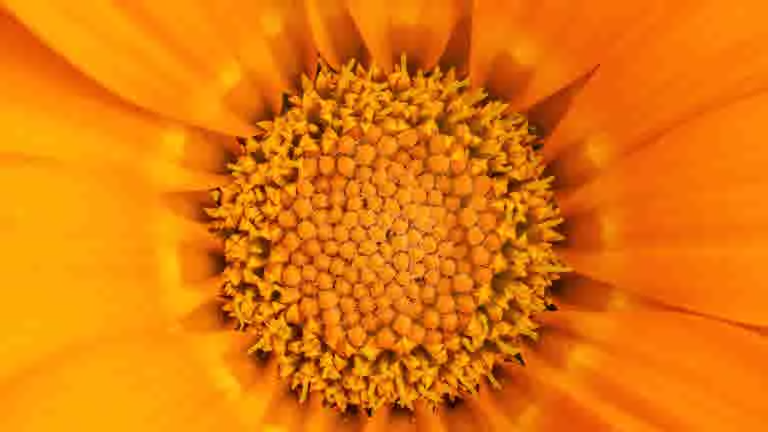
Every photo here was saved twice at the same file size: once as Pop, once as JPEG. Drag the line across each one, and switch between low, medium and high quality.
Look at the feathers and the bright colour.
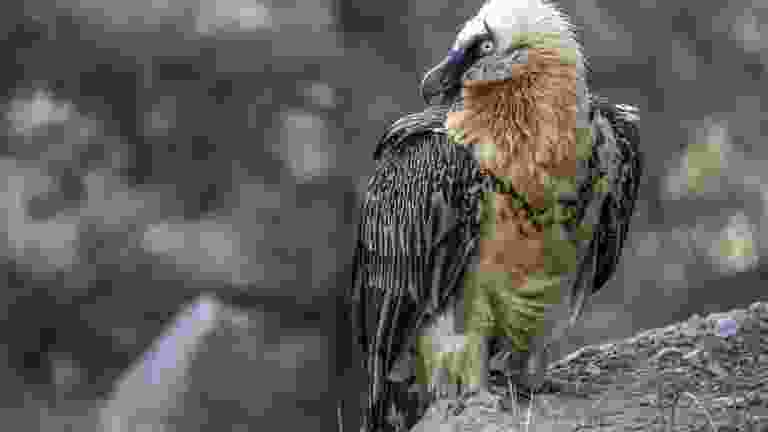
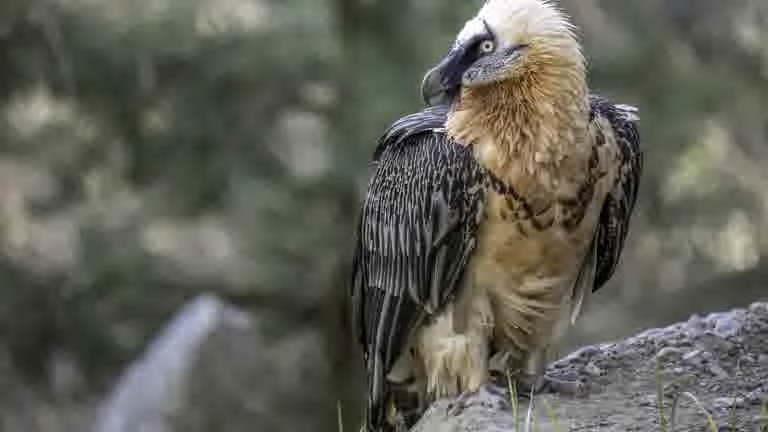
Look at the feathers and the soft background.
Look at the sky and the distant city.
Look at the strong colour and fine petals.
Look at the windows and straight edges.
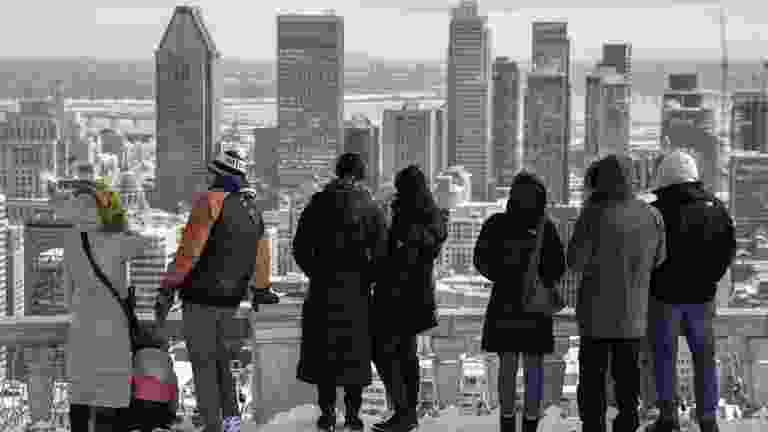
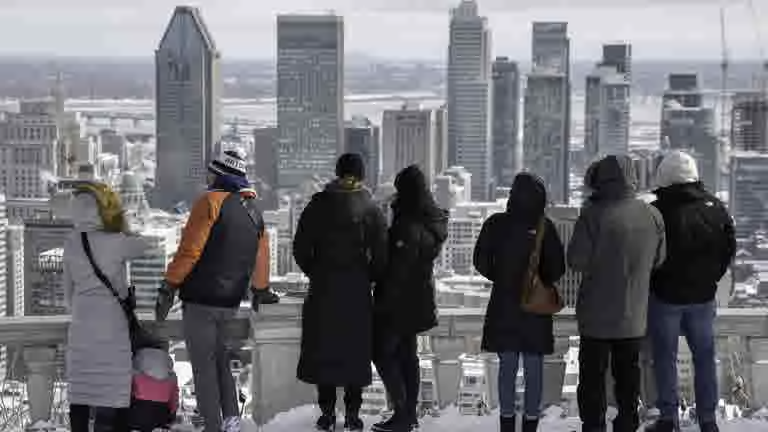
Photos: Kodak test image (parrots, 768×512) and Wilfredor, CC0, via Wikimedia Commons (the rest, scaled down whole to 768×432). Every photo uses the same three Pop quality settings; each JPEG was made with libjpeg-turbo at its default settings, without Huffman optimization, at the highest quality whose file is no larger than Pop’s. The images shown are lossless copies of what each format decoded to.
Room to spare
Two phones with the same storage. We put the same photos on each until one is full.
Same phone. 60% more photos.
The same 105 photos fill the JPEG phone but take 38% less space as Pop, leaving room for about 60% more pictures on the phone, laptop or cloud storage you already have.
Benchmarks
Pop against JPEG, HEIC and AVIF on size, quality and speed. HEIC and AVIF squeeze files a little harder; Pop gets close while saving photos in a blink.
Smaller is better. JPEG = 100. Average of 24 standard test photos at equal quality.
Higher is better. SSIMULACRA2 score, average of 8 photos at a medium size. HEIC not measured.
Lower is better. 768×512 photo, all cores. HEIC not measured.
Lower is better. 768×512 photo, all cores. HEIC not measured.
Lower is better. iPhone 15 Pro Max. AVIF not measured.
Lower is better. iPhone 15 Pro Max. AVIF not measured.
Mac: Apple M4 Pro; JPEG is libjpeg-turbo, which runs on one core. iPhone: iPhone 15 Pro Max, with Apple's own JPEG and HEIC at quality 0.85. Size and quality: averages over standard test photos. Gaps mean that pairing was not measured.